

A producer helps a song find its direction, protects its identity and turns intention into a finished record.
Production is not about adding more. It is about choosing better.
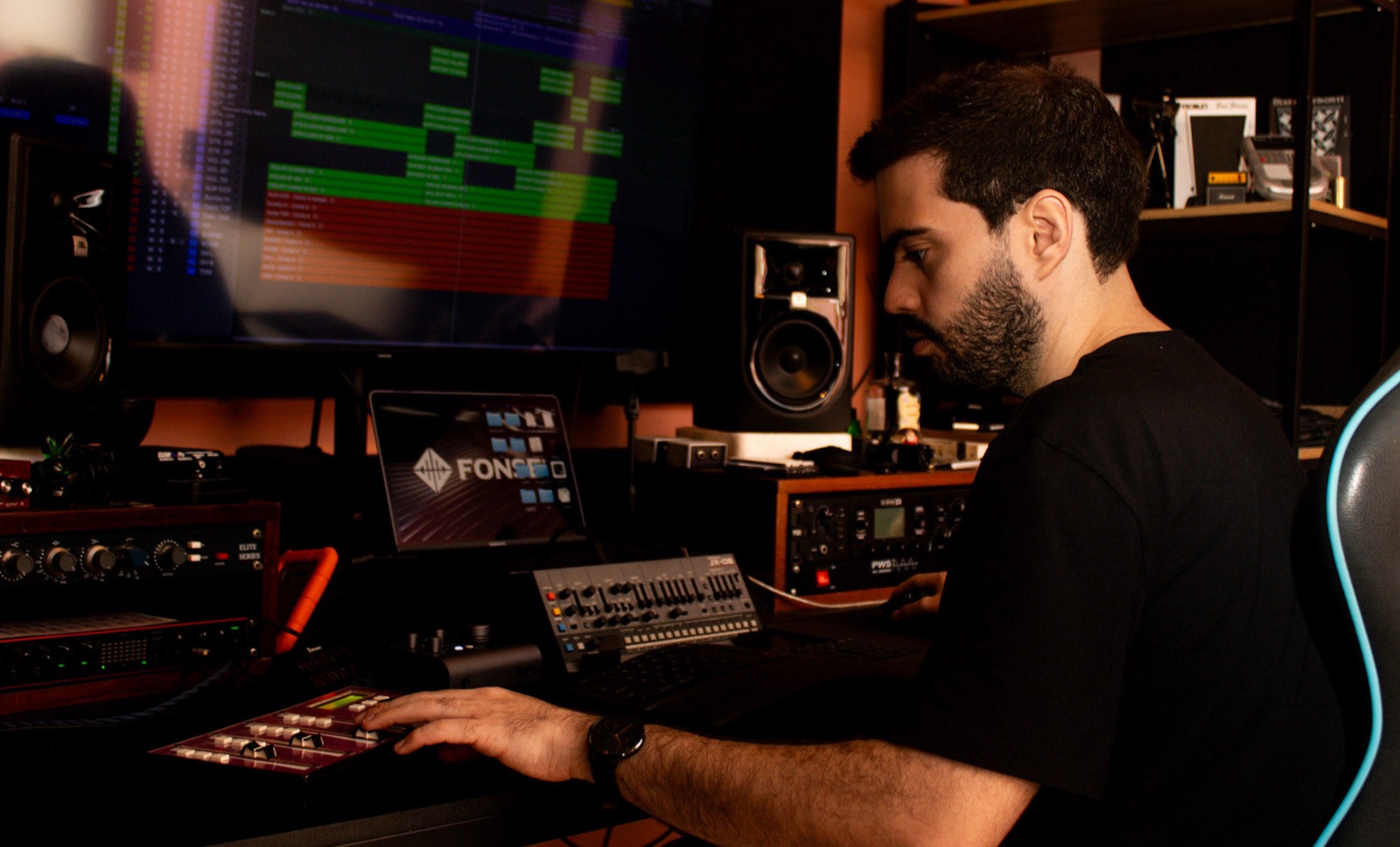
Many people still think a music producer is simply the person who presses record, chooses a beat or makes a track sound polished.
The real work goes much deeper.
A producer helps a song find the right path. That means understanding the intention behind the work, listening to the artist's story, noticing what is already strong and recognising what could weaken the song if it is left unresolved.
Sometimes producing means adding an instrument. Sometimes it means removing three. It may mean changing the key, reshaping the chorus, directing a vocal phrase, replacing a sound or deciding that the song does not need anything else.
The producer helps an idea become a record with identity.
A producer listens to the whole song
Artists naturally stand very close to their own material. The song carries memory, emotion, expectation and uncertainty. A producer needs enough closeness to understand that emotional world and enough distance to make useful decisions.
The work can involve:
- lyric and melody;
- harmony and song structure;
- emotional intention;
- arrangement and instrumentation;
- vocal performance;
- dynamics and energy;
- references and sonic language;
- editing, mixing and final delivery;
- the artist's wider identity.
A song is not only chords under a vocal. It is an experience, and every decision changes what that experience communicates.
Production is decision-making
Strong productions are not defined by the number of tracks in the session. They are defined by the quality of the decisions.
One song needs a large drum sound. Another needs silence. One needs open guitars and a wide chorus. Another becomes more honest with a restrained piano and a close vocal.
Personal taste matters, but it cannot become more important than the intention of the work. The central question is always: does this choice serve the song, or does it only serve my taste?
That question protects the artist from fashionable sounds that do not fit, arrangements that are impressive but emotionally flat, and unnecessary layers that hide the centre of the record.
The producer directs performance
A good recording is not created by a microphone or plug-in alone. It depends on performance.
Performance is more than singing in tune or playing the correct notes. It is phrasing, dynamics, tone, breath, tension and emotional timing. The most technically perfect take is not always the most truthful one.
A producer listens for the details that carry meaning: how a consonant attacks, where a phrase releases, whether a verse feels too large, whether the pre-chorus creates tension and whether the chorus genuinely opens.
Technical control should create the conditions for the artist to communicate, not replace the artist's humanity.
Technique must serve intention
Signal flow, microphones, editing, tuning, compression, ambience and gain structure all matter. But technique without intention becomes attractive surface.
The artist needs more than a technically correct track. The finished music should communicate who they are.
For me, production sits where three things meet: technique, vision and sensitivity.
Technique supports a professional result. Vision gives the record direction. Sensitivity protects the truth of the work.
A producer protects the song
One of the producer's most important responsibilities is protecting the music from weak choices.
That may mean protecting it from excess, a generic arrangement, a reference used too literally, a mix that makes everything loud but removes vulnerability, or a late decision that damages the structure.
Small choices matter. The wrong snare changes how a chorus feels. Too many layers hide the lyric. Aggressive tuning can remove character. A flat arrangement can make a strong composition feel ordinary.
Direction includes being able to say, with care and clarity, that something is not serving the song yet.
The result should feel inevitable
The best productions often feel natural. The listener does not need to notice every technical decision. They should feel that the song makes sense and that every element belongs there.
The production should not become louder than the work. It should reveal the work.
That is what a real music producer does: listens to the artist, understands what the song is asking for, guides the performance, organises the arrangement and carries the project toward a coherent release.
Producing is serving the song, and serving the song requires technique, perspective, sensitivity and direction.
Next step
Do you want to produce your song with direction, identity and a professional finish?
Tell me where the song is now and send a demo, guide or reference.